do you have alopecia areata?
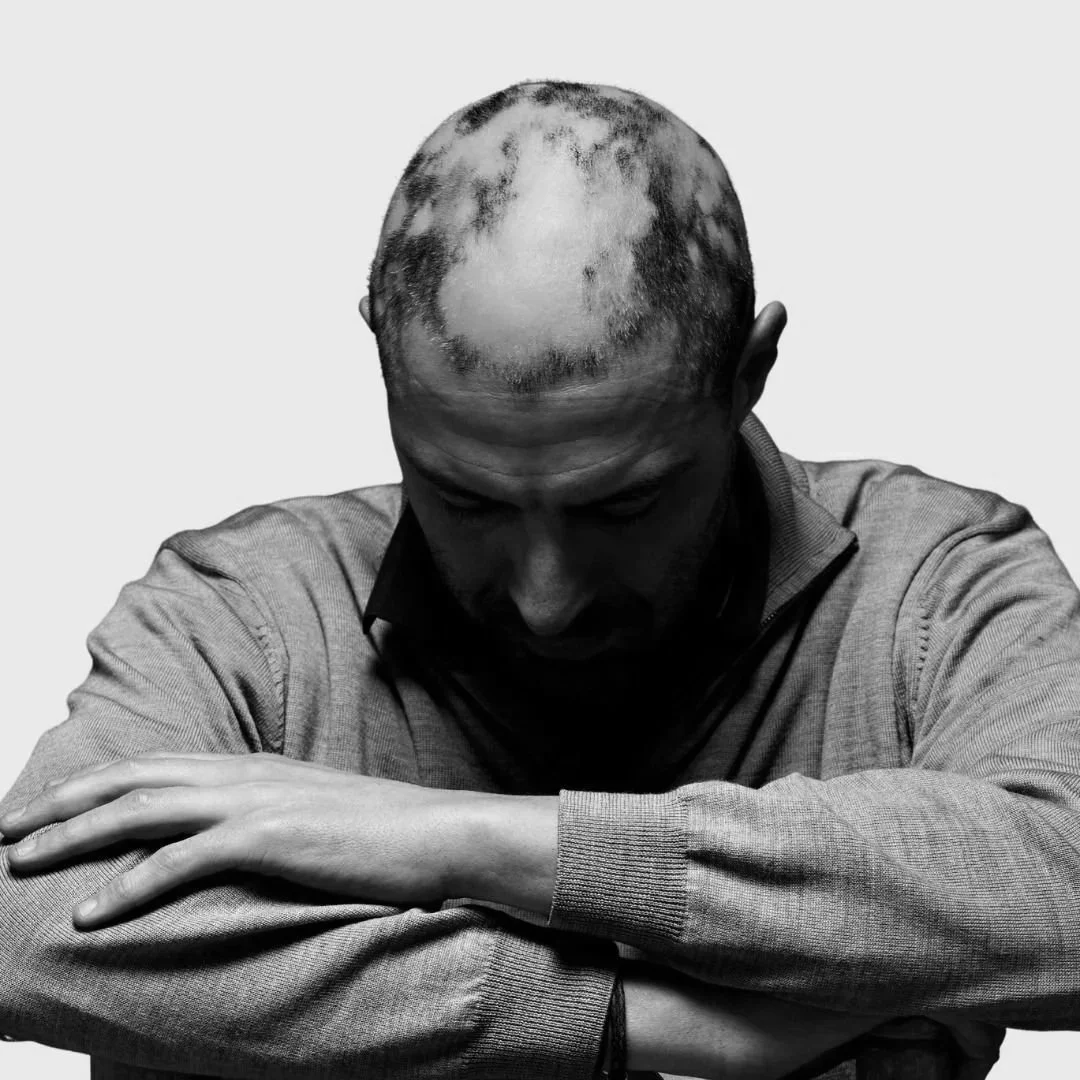
Understanding Alopecia Areata
Alopecia areata is a type of hair loss. Alopecia areata is an autoimmune condition that causes sudden, patchy hair loss when the body's immune system mistakenly attacks hair follicles. There are 3 main types: Patchy alopecia areata creates isolated round or oval bald smooth patches that can appear anywhere on the scalp, beard, or body. Totalis: is the whole head, and Universalis includes beard and eyebrows.
About 7 million people in the U.S. have, have had or get some form of alopecia.
Common Patterns:
Beard involvement is particularly common in men, creating circular bald spots in facial hair
Single or multiple patches on the scalp
The patches may merge together if they're close to each other
Hair at the edges may appear white or gray before pigmented hair returns
What triggers Alopecia Areata?
The exact trigger remains unclear, but researchers believe it involves a combination of genetic predisposition (about 20% of people with alopecia have at least one member who also has it. The risk of alopecia areata increases if you have a close relative with it. And the risk increases even more if that relative lost their hair before age 30) lifestyle, and environmental factors. When triggered, the immune system targets hair follicles as foreign invaders, causing them to shrink and dramatically slow down hair production. The good news is that the follicles remain alive, meaning hair can potentially regrow.
Top 5 Main Causes and Risk Factors
1. Genetic Predisposition - Family history plays a significant role. If you have a close relative with alopecia areata or another autoimmune disorder, your risk increases substantially. Research indicates that about 20% of people with alopecia areata have a family member with the condition.
2. Autoimmune Conditions - Those with thyroid disease, type 1 diabetes, rheumatoid arthritis, or vitiligo have higher rates of alopecia areata. The immune system dysfunction that causes one autoimmune condition can trigger others. People who have alopecia areata often have conditions related to allergies, like asthma and eczema.
3. Severe Stress or Trauma - While stress doesn't directly cause alopecia areata, it can act as a trigger in genetically susceptible individuals. Many men report that their first patch appeared following a major life stressor, physical trauma, or significant illness.
4. Viral Infections - Some research suggests that certain viral infections may trigger alopecia areata in predisposed individuals by activating the immune system in ways that target hair follicles.
5. Environmental Factors - Exposure to certain environmental triggers combined with genetic susceptibility may initiate the autoimmune response, though specific environmental causes are still being researched.
While nutritional deficiencies don’t directly cause alopecia areata, it can worsen the condition or lead to hair loss.
Low levels of vitamin D have been linked to alopecia as vitamin D plays a role in immune regulation.
Since hair is made of protein, insufficient levels of it can disrupt the hair growth cycle.
Low levels of iron can lead to hair loss by reducing oxygen supply to the hair follicle, which can make alopecia worse.
B vitamins like the popular biotin and B12 can also cause general hair loss and brittleness.
Emerging research suggests that gut health may play a role in autoimmune conditions like alopecia areata. An imbalanced gut microbiome can contribute to increased intestinal permeability, allowing substances to enter the bloodstream and potentially trigger immune responses. Supporting your gut health may help reduce overall inflammation.
Is alopecia areata reversible or curable?
The Short Answer: Alopecia areata is often reversible (the follicles are not destroyed), but there's currently no permanent cure – because the body can't yet "turn off" the autoimmune response permanently. This means regrowth is possible and actually common:
Spontaneous regrowth occurs in many cases, especially if you have just one or two patches
About 50% of men with limited patches see regrowth within a year without treatment
Hair may return white or gray initially, then regain pigment over time
Regrown hair is typically the same texture and quality as your original hair
However, this doesn't mean you're without options:
Corticosteroid injections directly into patches
Topical immunotherapy to stimulate regrowth
Minoxidil to encourage hair growth
JAK inhibitors (newer treatments showing promising results)
Important Factors:
Men who develop alopecia areata before puberty or with extensive hair loss face more challenging regrowth
The condition can be unpredictable—hair may regrow in one area while new patches develop elsewhere
Some men experience one episode and never have it again, while others deal with recurring patches
Lifestyle modifications including stress management and nutrition
Natural Remedies and Supportive Approaches
While natural remedies can't cure alopecia areata alone, some people find certain approaches helpful as complementary support alongside medical treatment. Always consult with a dermatologist before trying natural remedies, especially if you're already undergoing medical treatment.
Essential Oils and Scalp Massage
Herbs like rosemary, lavender, thyme, and cedarwood oils mixed with carrier oils (jojoba or coconut oil) and massaged into the scalp may help stimulate circulation. There can be improvements with one or a blend is used daily for several months. Scalp massage alone may also improve blood flow to hair follicles.
Natural remedies work slowly—give them 6-12 months, sometimes more before expecting results. They work best for mild cases with limited patches.
3 Common Myths About Alopecia Areata
Myth #1: "It's just stress-related hair loss" While stress can (and is often) be a trigger, alopecia areata is more often an autoimmune condition, not simply stress-induced shedding that’s temporary. Many folks experience the condition without any significant external stress (job, family, etc), and managing stress alone won't cure it. Auto-immune conditions can be triggered by digestive distress (internal) and a condition called leaky gut, which can be relieved and managed with diet and supplements. Read above for other factors.
Myth #2: "Alopecia is contagious" This is completely false. Alopecia areata is an autoimmune condition, not an infection or disease you can catch or spread to others. You can't get it from sharing combs, hats, pillows, or through any physical contact. It's safe to get haircuts, share equipment at the gym, or be in close contact with someone who has alopecia areata. This myth causes unnecessary stigma and can make men feel isolated when they need support the most.
Myth #3: "It only affects the scalp" Alopecia can affect beard hair, eyebrows, eyelashes, and body hair. Many men first notice it in their beard as circular bald patches before seeing any scalp involvement.
Myth #3: "Once hair falls out, it's gone forever" Luckily hair follicles aren't destroyed in alopecia —they're dormant. Many men experience spontaneous regrowth, though it could take months or years. Various treatments can help stimulate regrowth, and the hair that returns is often the same quality as before.
What This Means for Your Barber
If you're experiencing sudden bald patches, it's important to see a dermatologist for proper diagnosis and treatment options. At Chairs Barber Studio, we understand that hair loss affects confidence. We can work with you on styling options that work with your condition, whether that's a strategic cut, fade work, or discussing options that make you feel your best while managing your alopecia.
Beyond the chair, we also offer wellness appointments where we can discuss nutrition strategies and stress management solutions that may support your alopecia treatment. Managing this condition takes a holistic approach, and we're committed to helping you explore all the lifestyle factors that can make a difference in your journey.
References:
National Alopecia Areata Foundation (NAAF). "What is Alopecia Areata?" naaf.org
American Academy of Dermatology Association. "Alopecia Areata: Signs and Symptoms." aad.org
Pratt, C. H., et al. (2017). "Alopecia Areata." Nature Reviews Disease Primers, 3, 17011.
Almohanna, H. M., et al. (2019). "The Role of Vitamins and Minerals in Hair Loss: A Review." Dermatology and Therapy, 9(1), 51-70.